

In modern society, fast-paced lifestyles and a vast array of food choices present us with numerous dietary challenges. How to eat healthily has become a central focus of concern for many people. A healthy diet not only impacts our physical well-being but also influences our mental state and overall quality of life.

The Importance and Benefits of a Balanced Diet
Diet is the primary means by which the human body obtains energy and nutrients. A balanced diet involves consuming adequate amounts of essential nutrients, including proteins, carbohydrates, fats, vitamins, and minerals. Through a balanced diet, we can secure sufficient energy, boost our immune system, maintain physical health, and prevent the onset of chronic diseases.
Making Wise Food Choices
Increase Your Intake of Fruits and Vegetables
Fruits and vegetables are a vital component of any diet, as they are rich in vitamins, minerals, and fiber. We should aim to consume fruits and vegetables of five different colors daily to ensure our bodies receive a comprehensive range of essential nutrients. It is recommended to choose fresh produce, prioritizing seasonal and locally sourced options whenever possible.
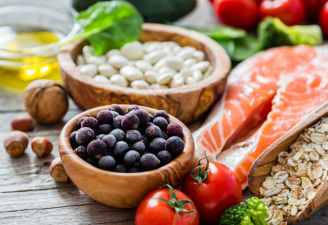
A balanced diet should incorporate the following food categories:
- Vegetables and Fruits: Rich in vitamins, minerals, and dietary fiber, these foods help boost immunity and aid digestion. Aim to consume at least five different-colored fruits and vegetables daily to ensure adequate nutrient intake.
- Whole Grains: Opt for whole-grain foods—such as whole-wheat bread, oats, and brown rice—rather than refined grains. Whole grains are more nutritious, provide abundant fiber, and assist with digestion and weight management.
- High-Quality Protein: Protein is a fundamental building block of the body. Choosing lean protein sources—such as fish, chicken, legumes, and nuts—helps build and repair body tissues.
- Healthy Fats: Consuming healthy fats in moderation—specifically unsaturated fatty acids found in olive oil, fish oil, and nuts—supports heart health. Avoid trans fats and excessive amounts of saturated fats.
- Moderate Dairy Intake: Dairy products are an excellent source of calcium and Vitamin D, which promote bone health. Choosing low-fat or fat-free dairy options is a smart choice.
Reduce the Consumption of Processed Foods
Processed foods typically contain high levels of sugar, salt, and preservatives; long-term consumption of such foods can have detrimental effects on one's health. Here are some suggestions for reducing your intake of processed foods:
- Choose Fresh Ingredients: Whenever possible, opt for fresh vegetables, fruits, and meats, while avoiding canned goods and instant food products.
- Cook for Yourself: Cooking your own meals gives you greater control over ingredient selection and seasoning, thereby minimizing unnecessary additives and sugar intake.
Consider Nutritional Supplements
Nutritional supplements can serve as a way to address dietary deficiencies, but they should not be viewed as a substitute for a balanced diet. If you are considering taking supplements, you should consult a medical professional or a registered dietitian to assess your specific nutritional needs and select the supplements most appropriate for your individual circumstances.
Conclusion
Diet and health are inextricably linked; by cultivating balanced eating habits, we can effectively improve our overall physical well-being. Choosing healthy foods, creating sensible meal combinations, practicing portion control, and paying attention to nutritional supplementation are all key steps in establishing a healthy diet. Let us begin cultivating healthy eating habits today to safeguard the health of ourselves and our families.